
TL;DR
- An AI fashion model generator takes a flat-lay, mannequin, or hanger photo and — much like an AI clothes changer — produces a photorealistic image of a model wearing that exact garment, preserving the original fabric, print, and colour.
- In 2026 the tools have matured significantly: the differences that matter most are workflow fit, batch capacity, Indian marketplace support, and catalog consistency.
- Scalio (#1) is built specifically for Indian ecommerce, with native Myntra, Flipkart, Amazon India, and Ajio support, Indian poses, and ethnic wear accuracy including sarees, lehengas, and kurtas.
- All tools struggle with the same categories — sheer fabrics, heavy embellishment, complex layered outfits — which still benefit from a human photographer for the hero shot.
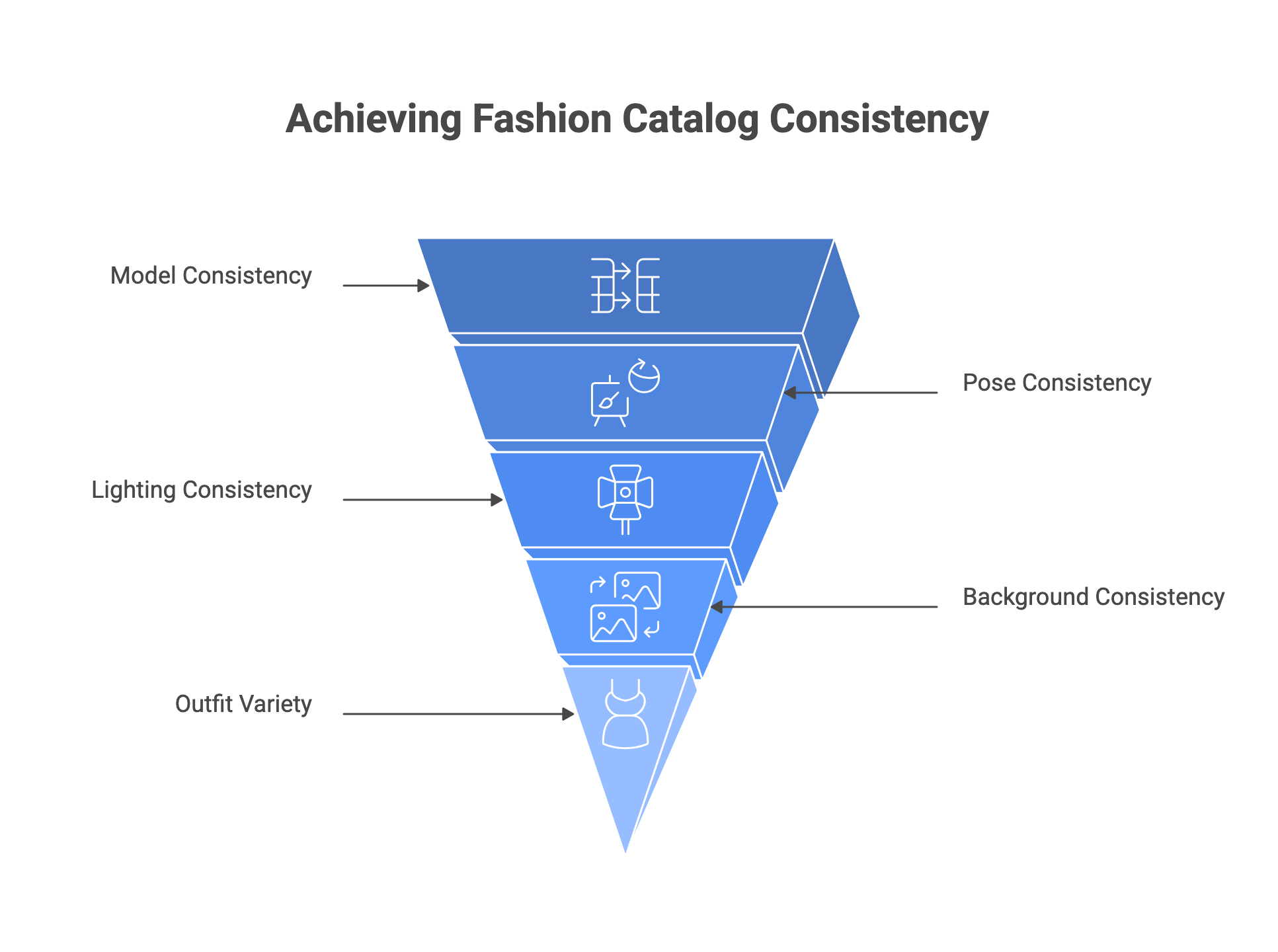
Every tool on this list can generate a convincing single on-model image. The harder question — the one that actually matters for a working fashion brand — is which one can generate 50, 200, or 500 of them that look like they came from the same shoot. This guide is built around that question. We evaluated seven tools across garment accuracy, catalog consistency, pricing, batch handling, and fit for Indian marketplace requirements including Myntra, Flipkart, and Amazon India.
What Actually Separates Good from Great
Any AI model for clothing can produce one impressive image. The criteria that matter for a working brand:
| Criteria | Why It Matters |
|---|---|
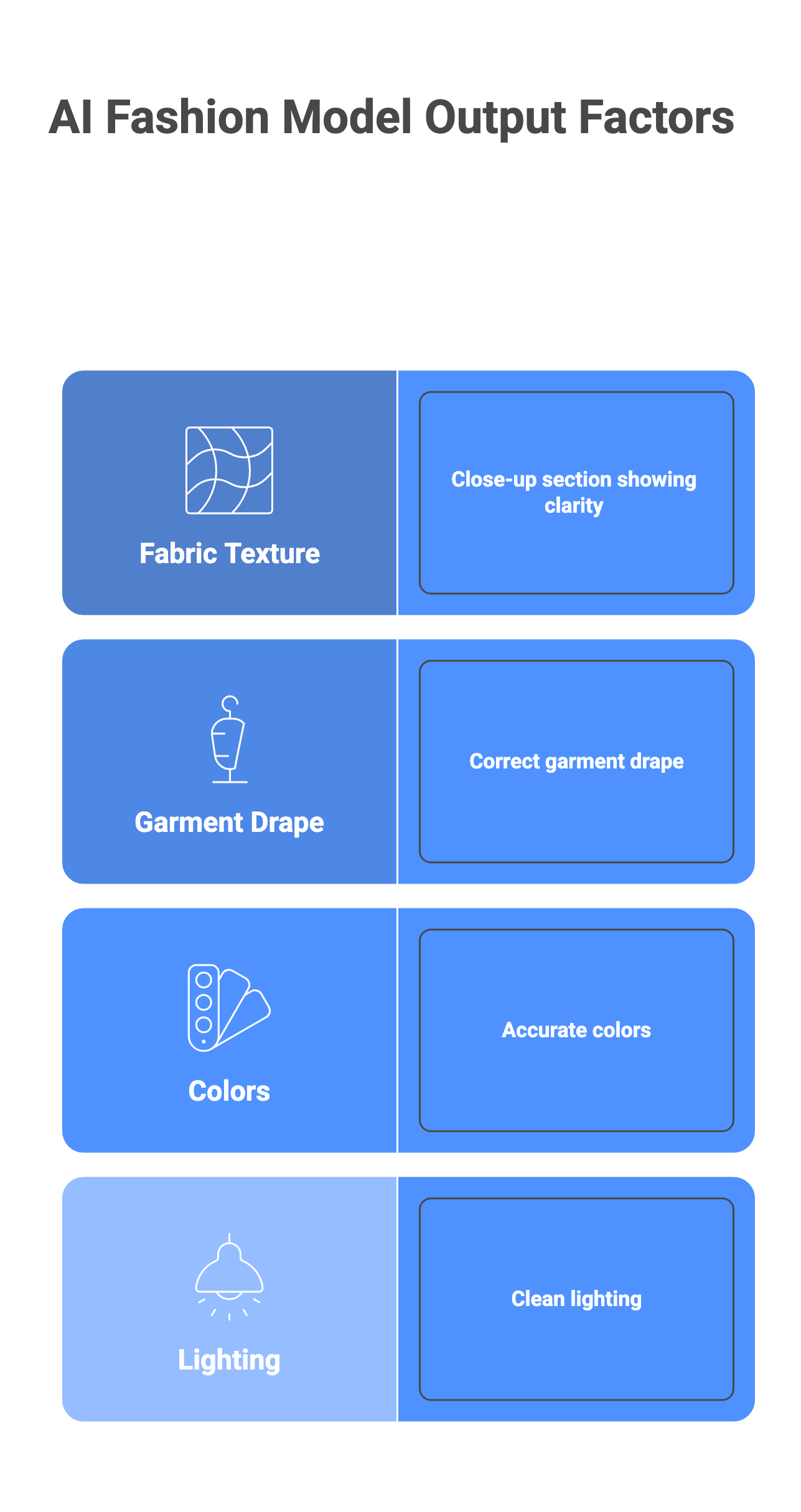
| Garment accuracy | Does the AI preserve prints, embroidery, and fabric texture — or smooth, distort, or reinvent them? |
| Catalog consistency | Can you lock a model identity, pose, and background across 200 SKUs — or does every image look different? |
| Indian marketplace support | Does the tool understand Myntra framing, Flipkart specs, and Amazon India guidelines natively? |
| Ethnic wear handling | Can it accurately drape a saree, lehenga, or heavy kurta — or only western silhouettes? |
| Batch processing | Can you run an entire seasonal catalog in one go — or must every image be generated manually? |
| Input flexibility | Does it accept flat-lays, hanger shots, and ghost mannequin images — or only specific input formats? |
| Free tier commercial use | Can you actually use the free output commercially — or is it watermarked and restricted? |
All 7 Tools at a Glance
| Tool | Best For |
|---|---|
| Scalio | Marketplace-ready product images (including Indian platforms) |
| WearView | Virtual try-on + AI model generation |
| Fashn AI | High-accuracy garment draping (flat to model) |
| Uwear | High-volume batch processing (enterprise scale) |
| Claid.ai | API-based automation across product categories |
| SellerPic | AI models + social content creation |
| Photoroom | Mobile-first product editing |
The 7 Best AI Fashion Model Generators: Full Reviews
| #1 Scalio Best for Indian Ecommerce — Myntra, Flipkart, Amazon India, Ajio ★ Top Pick for Indian Fashion Brands — natively built for Indian marketplaces and ethnic wear Key Features Model Studio: Generate on-model images with Indian poses, South Asian skin tones, and marketplace-style framing Ethnic wear accuracy: Handles sarees, lehengas, kurtas, and fusion fits with strong drape and detail preservation Marketplace-ready outputs: Designed to match common requirements for Myntra, Flipkart, Amazon India, Ajio, and Nykaa Fashion Multiple poses per SKU: Front, back, and close-ups with consistent models and backgrounds Optimized backgrounds: Designed for visual appeal and improved product presentation Seasonal creatives: Instantly generate Diwali, Eid, and festive campaign variations Video-style creatives: Convert product images into short social-ready visuals ✅Best for: Indian D2C brands and marketplace sellers. 🔗 Try Scalio Free → |
|---|
| #2 WearView Key Features End-to-end AI workflow: Covers model generation, garment try-on, pose control, and video-style outputs Consistent model identity: Maintain the same face and body type across your entire catalog Pose control via references: Guide poses using reference images for more precise outputs Video-style generation: Turn static images into short clips for TikTok, Reels, and product pages High-resolution exports: Generate detailed outputs with support for up to 4K export Diverse model library: Wide range of models across ethnicity, age, body size, and styles ✅ Best for: Global fashion brands and agencies managing 50+ SKUs. 🔗 WearView → |
|---|
| #3 Fashn AI Key Features Proprietary VTON v1.5 architecture: segmentation-free virtual try-on generating directly in pixel space — more accurate drape. Three garment categories auto-detected: tops, bottoms, one-pieces — no manual tagging. Three quality modes: performance (fast), balanced, quality (maximum detail) — configurable per use case. Processing averages approximately 11 seconds per image. Model Create: generate consistent custom models from prompts or images. Open-source components: parts of the model stack released publicly for technical teams. ✅ Best for: Brands and developers where garment drape accuracy is the primary need; technical teams building try-on into their own platforms via API. 🔗 Fashn AI → |
|---|
| #4 Uwear Key Features AI drape rendering: Generates realistic garments with consistent lighting, shadows, and fabric detail Batch processing at scale: Supports large catalog uploads via CSV with configurable models, poses, and backgrounds Flexible pricing: Pay-as-you-go credits with no subscription, suited for seasonal demand spikes Flat-lay cleanup: Standardizes inconsistent source images before generation Multiple input formats: Works with flat-lay, mannequin, and hanger shots ✅ Best for: Fashion brands and agencies managing large seasonal catalogs (100–10,000+ SKUs). 🔗 Uwear → |
|---|
| #5 Claid.ai Key Features API-first architecture: Integrate AI image processing directly into product workflows and CMS systems Multi-category support: Works across fashion, electronics, beauty, and home goods Image enhancement suite: Background removal, relighting, and scene generation in one pipeline Scalable automation: Process large catalogs programmatically via API Consistent outputs: Maintain uniform backgrounds and styles across SKUs ✅ Best for: Multi-category brands and tech teams building automated image pipelines. 🔗 Claid.ai → |
|---|
| #6 SellerPic Key Features Large AI model library: Diverse models across ethnicities, body types, and age groups Virtual try-on: Convert flat-lay or mannequin images into on-model shots in seconds UGC-style video creatives: Generate short social-ready clips from product images Platform-ready exports: Optimized sizes for Amazon, Shopify, TikTok, and Instagram Shopify integration: Connect directly with your store for faster workflows ✅ Best for: Fashion sellers on Shopify, Meesho, and social platforms. 🔗 SellerPic → |
|---|
| #7 Photoroom Key Features Mobile-first experience: Powerful iOS and Android apps with one of the best UX in this category AI scene generation: Place products into ready-made model and lifestyle scenes Batch editing: Process multiple images efficiently with Pro and Max plans Multi-product compositions: Create outfit-style or bundled product visuals Editing toolkit: Background removal, retouching, shadows, and brand kit features ✅ Best for: Individual sellers and small brands managing product photos from mobile. 🔗 Photoroom → |
|---|
| ✦ Try Scalio — AI Fashion Models Built for Indian Ecommerce → ✦ Indian poses · Myntra / Flipkart / Amazon India ready · Ethnic wear support · try for free |
|---|
Which Tool Is Right for Your Brand?
| Your Situation | Recommended Tool |
|---|---|
| Selling on Myntra — need compliant on-model images | Scalio |
| Selling ethnic wear: sarees, lehengas, kurtas, fusion fits | Scalio |
| Multi-platform Indian brand: Myntra + Flipkart + Amazon India + Shopify | Scalio |
| Global fashion brand needing the full pipeline: model + try-on + video | WearView |
| Garment drape accuracy is the primary requirement | Fashn AI |
| Large catalog: 500–10,000 SKUs, batch processing needed | Uwear |
| Tech team building try-on into a custom platform via API | Claid.ai |
| Multi-category brand: apparel + beauty + electronics | Claid.ai |
| Need model images and short social video ads together | SellerPic |
| Selling on mobile, listing on Etsy / Poshmark / Depop | Photoroom |
🔗 Flat Lay vs On-Model — Which Converts More →
What No AI Fashion Model Generator Does Well Yet
Across all seven tools, the same categories consistently produce unreliable output:
| Current Limitations Shared Across All Tools on This List Sheer and transparent fabrics — chiffon, georgette, organza. AI cannot reliably render what shows through the material. Heavy surface embellishment — dense zari, mirror work, cut-work, heavy sequin coverage. Fine detail accuracy degrades significantly. Complex drape mechanics — full saree draping with pallu, certain lehenga silhouettes with heavy fabric weight. Multi-layered outfits — sheer dupattas over embroidered bases, layered fusion looks with different fabric weights. Small text and logos on garments — brand labels, printed text, small monogram detailing can blur or distort. |
|---|
For these categories, the practical approach is hybrid: use AI for the white-background hero and lifestyle backgrounds, and shoot the primary on-model image traditionally. Scalio handles standard and semi-formal Indian ethnic wear reliably — complex bridal and heavily embellished categories still benefit from a photographer for the lead image. To see how this plays out in practice, look at fashion brands already using AI photography.
🔗 How AI Helps Fashion Brands Solve the Plus-Size Model Challenge →
Frequently Asked Questions
Do AI fashion model generators work for Indian ethnic wear — sarees, lehengas, kurtas?
Most tools struggle with complex ethnic wear. Scalio performs better for Indian styles, especially structured outfits. Heavy drapes still benefit from real photography.
Are AI fashion model images commercially usable?
Yes, paid plans of most tools allow commercial use. Photoroom free plan is restricted. Always check current terms before scaling.
What input photo gives the best AI model output?
Ghost mannequin works best. Clean flat-lay also works if well-lit, wrinkle-free, and fully visible.
Can I lock the same model across my entire catalog for consistency?
Yes, but only some tools support it. WearView, Scalio, and Fashn AI offer consistent features.
How does Scalio differ from global tools like WearView or Fashn for Indian sellers?
Global tools focus on Western marketplaces. Scalio is optimized for Indian platforms, ethnic wear, and local campaign styles.
| ✦ Generate On-Model Images for Myntra & Amazon India — Try Scalio Free → ✦ try for free · Indian poses · Ethnic wear support · Myntra, Flipkart, Amazon India, Ajio templates |
|---|