
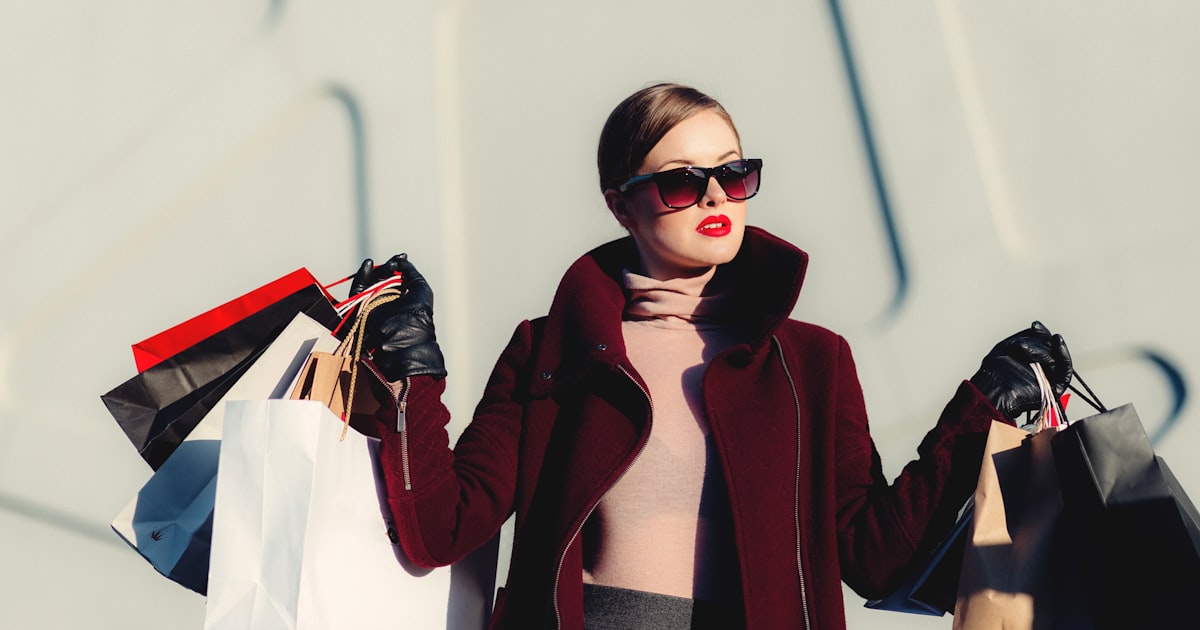
Speed defines modern fashion. Collections launch faster, trends change overnight, and ecommerce demands constant visual refresh. In this environment, AI fashion models are becoming a critical tool for brands that want to reduce time to market without increasing production complexity. Instead of waiting weeks for photoshoots, approvals, and edits, brands can now generate realistic on-model visuals in hours.
This shift is not just about convenience. It is about competitive advantage.
TL;DR
AI fashion models help brands launch collections faster by eliminating studio scheduling, model coordination, and reshoot delays. With AI-generated fashion photography, brands can create scalable, on-model visuals quickly, improving speed to market and reducing operational costs.
Why Time to Market Is Critical in Fashion
Fashion retail today is driven by:
- Shorter trend cycles
- Frequent drops and micro-collections
- Marketplace and social media demands
- Constant ad creative refresh
Delays in visual production often become the biggest bottleneck in launching new collections.
Traditional workflows involve:
- Model sourcing
- Studio booking
- Styling and setup
- Editing and revisions
Each step adds days or weeks to the launch timeline.
How AI Fashion Models Eliminate Production Bottlenecks
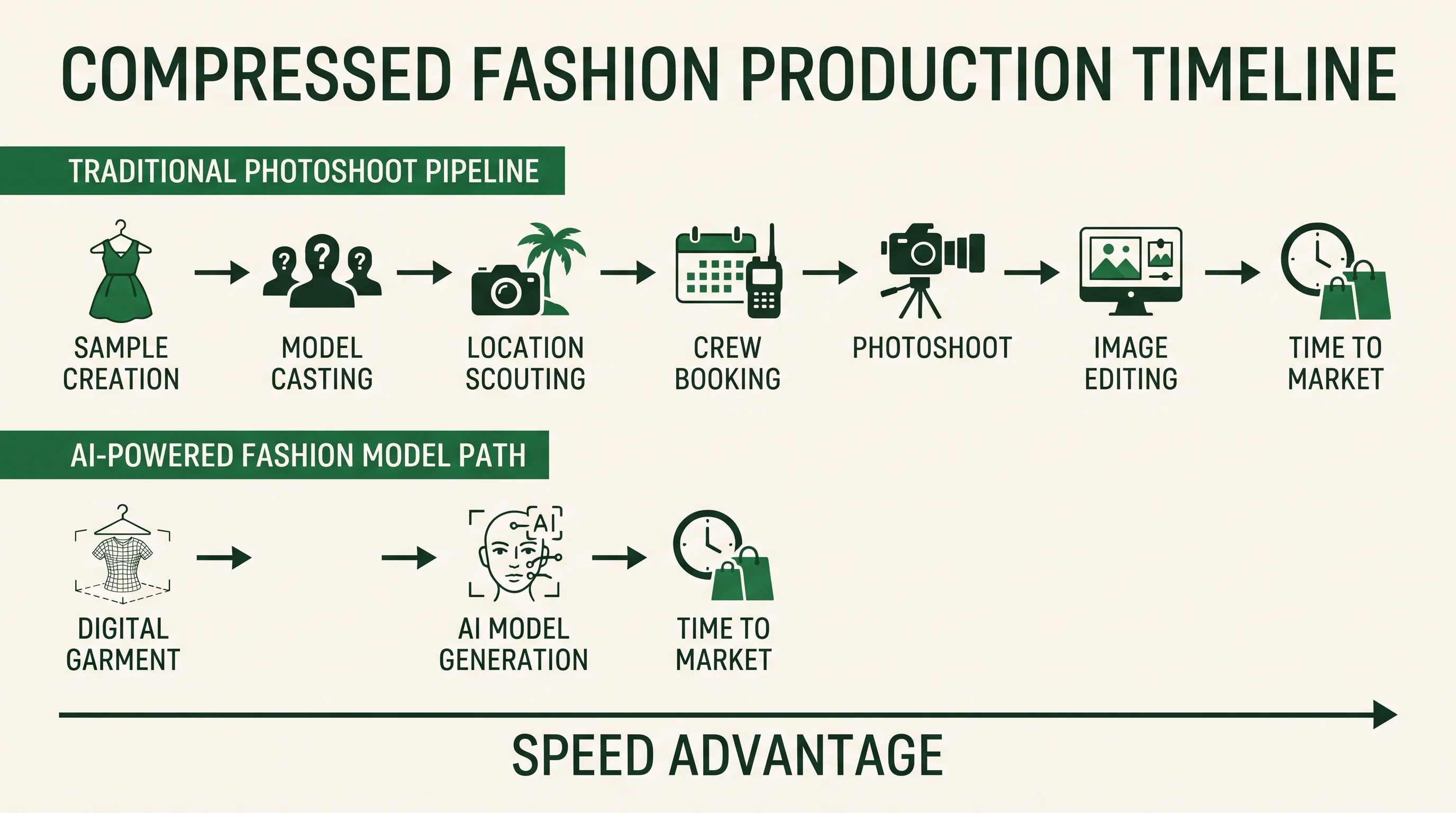
1. No Model Scheduling Delays
Sourcing the right talent can slow down production, especially when representing multiple body types, regions, or styles. AI-generated fashion models remove availability constraints entirely.
Brands can create:
- On-model catalog images
- Lifestyle campaign visuals
- Multi-demographic representation
All without coordinating physical shoots.
2. Faster AI Fashion Photoshoots
An AI model for clothing can generate a full fashion photoshoot from a single garment reference image. Instead of organizing a full production day, brands can produce variations instantly, including:
- Multiple poses
- Different body types
- Diverse backgrounds
- Platform-specific formats
This dramatically shortens creative turnaround time.
3. Reduced Dependency on Physical Infrastructure
Studio costs, logistics, and reshoots create inefficiencies. AI-powered fashion photography enables brands to scale visuals without scaling operational complexity.
This makes virtual fashion models especially valuable for D2C brands launching frequent collections.
4. Rapid Creative Testing
With AI-generated fashion photography, brands can test:
- Multiple styling approaches
- Alternative colorways
- Different model demographics
Without repeating the production cycle.
This flexibility supports faster performance marketing decisions and quicker optimization.
Operational Impact on Fashion Brands
Shorter Launch Cycles
AI reduces visual production time from weeks to days or even hours.
Lower Cost per SKU
As collections grow, cost per image decreases compared to traditional photoshoots.
Scalable Representation
AI allows brands to represent different body types and regions without logistical hurdles.
This is why digital fashion models are becoming standard in ecommerce workflows.
How Scalio Helps Brands Accelerate Time to Market
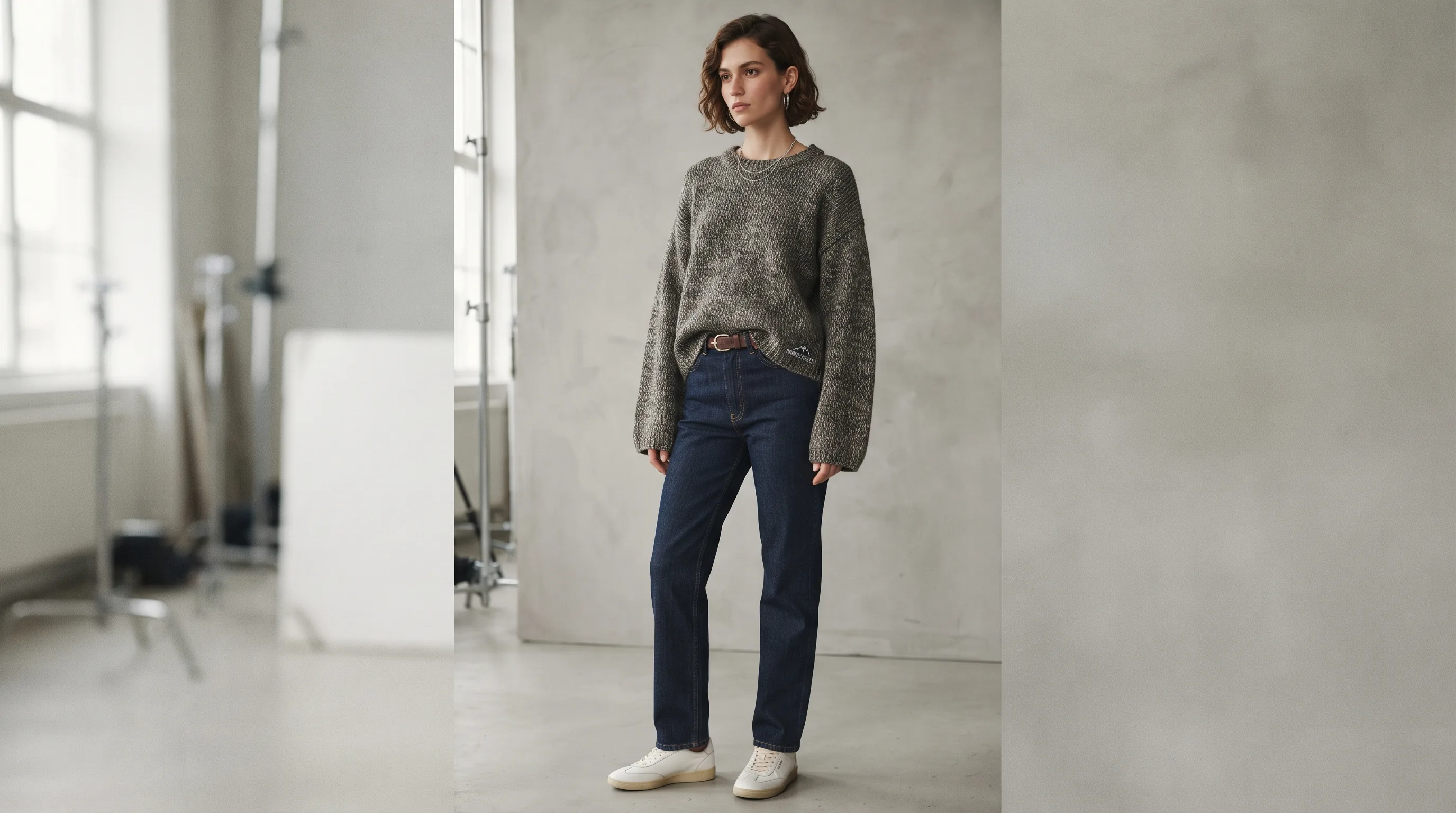
Scalio enables brands to generate realistic on-model visuals quickly, helping reduce launch delays.
From Product to On-Model in One Workflow
Scalio transforms a single product reference into high-quality AI fashion model imagery optimized for ecommerce, marketplaces, and ads.
Designed for Growing Collections
Whether launching seasonal drops or weekly collections, brands can maintain speed and consistency without booking repeated shoots.
Launch faster with AI fashion model visuals from Scalio
Why AI Fashion Models Are Becoming Industry Standard
The fashion industry is increasingly embracing:
- AI fashion photography
- Virtual model generation
- Automated creative workflows
- AI-driven content scaling
Brands that adopt AI workflows can respond to trends quickly, reduce production bottlenecks, and maintain visual consistency across channels — as seen with the fashion brands already using AI photography.
The Future of Fashion Speed
As fashion cycles continue to accelerate, the ability to produce high-quality visuals instantly will define competitive brands. AI fashion models are not replacing creativity; they are enabling it to move at the pace the market demands.
Explore how AI fashion models can accelerate your next collection
FAQ
What are AI fashion models?
AI fashion models are digitally generated models used to create realistic on-model fashion visuals without physical photoshoots.
How do AI fashion models reduce time to market?
They eliminate scheduling, studio logistics, and editing delays, allowing brands to generate visuals instantly.
Are AI fashion photoshoots realistic enough for ecommerce?
Yes. Modern AI systems produce realistic lighting, fabric draping, and body proportions suitable for catalog use.
Can small fashion brands benefit from AI fashion models?
Absolutely. AI reduces costs and speeds up collection launches, making it ideal for growing brands.
Do AI fashion models replace traditional shoots entirely?
Not completely. Brands may still use physical shoots for flagship campaigns, but AI handles everyday ecommerce imagery efficiently.